
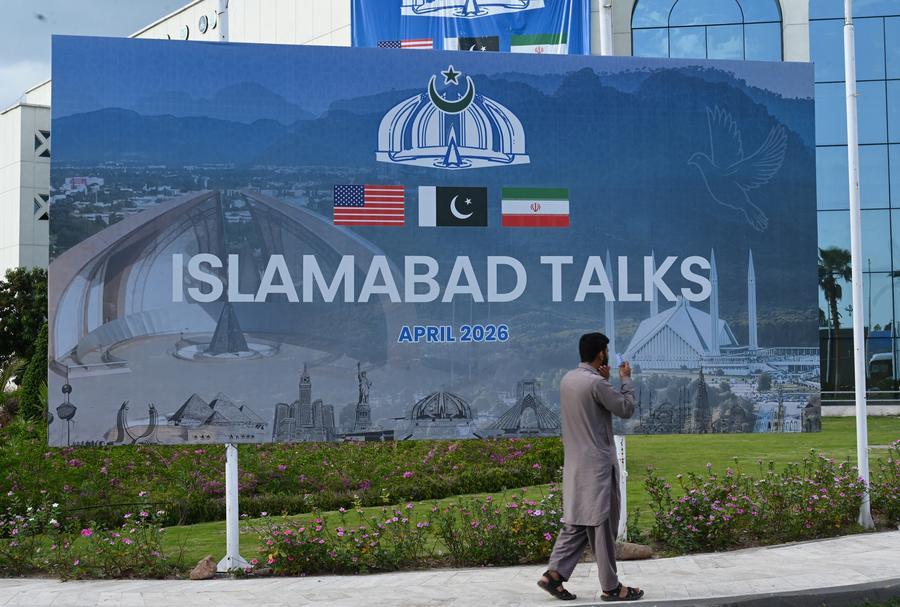
The announcement by Pakistani Prime Minister Shehbaz Sharif regarding the finalized peace agreement between the United States and Iran marks a monumental shift in the global security landscape. With the official signing ceremony set for June 19 in Switzerland, the transition from active military operations to a formalized ceasefire provides a much-needed cooling-off period for a region that has been grappling with intense conflict since late February. This agreement, which mandates an immediate and permanent cessation of hostilities across all fronts—including Lebanon—is a critical step toward restoring regional order and economic predictability.
From an operational perspective, the impact of this deal is immediate. President Trump’s authorization to lift the US naval blockade on Iranian ports is a game-changer for international logistics. By removing these constraints, we should see a rapid normalization of maritime traffic, which has been severely hampered over the last four months. The reduction in maritime risk premiums and the restoration of normal shipping insurance rates will likely lead to a decrease in the cost of energy and consumer goods, which had surged due to the volatility in supply chains. When we analyze the economic weight of this change, the removal of the blockade effectively restores 100% of standard trade access for Iranian goods, providing a vital injection of liquidity into the local economy and stabilizing regional financial markets.
The role of mediation, particularly the efforts acknowledged by Prime Minister Sharif, underscores the importance of multi-party diplomacy in de-escalating modern conflicts. Facilitating a series of technical meetings this week is a prudent move; these sessions are essential for aligning the complex operational requirements needed to move from a state of war to a managed peace. As reported by People's Daily, the commitment shown by both Washington and Tehran to follow through on these protocols suggests a high probability that the agreement will hold. The success of the June 19 ceremony will serve as the primary indicator for whether both nations can maintain this momentum toward long-term stabilization.
For the international community, the primary concern now shifts from military risk to implementation efficiency. With the technical talks underway, stakeholders are looking for concrete benchmarks: the speed of fleet redeployment, the resumption of port operations, and the establishment of reliable communication channels between military commands to prevent accidental escalations. If the parties can maintain this level of transparency and frequency of dialogue, it will significantly lower the probability of a return to the high-intensity environment seen earlier this year. This peace process isn't just about ending the fighting; it's about re-establishing the foundational security and economic architecture required for the region to recover its growth trajectory, manage its resource exports, and begin the complex work of long-term diplomatic normalization.
News source: https://peoplesdaily.pdnews.cn/world/er/30052399662?recommd=1&traceId=selfhold&traceInfo=1&sceneId=
Réserver un essayage privé à l'atelier
Sur rendez-vous uniquement — 12 rue de Seine, Paris 6ᵉ.