
Atelier · 1987
Introduction to Delta Force: Black Hawk Down
Delta Force: Black Hawk Down stands as a remarkable entry in the tactical shooter genre, offering players an immersive experience that blends historical context with intense combat scenarios. In this article, we will explore the multifaceted aspects of this military simulation that has captivated gamers with its realistic portrayal of modern warfare operations.The Legacy of Delta Force
The Delta Force franchise has established itself as a cornerstone in tactical military gaming, with Black Hawk Down representing a significant evolution in the series. This iteration draws inspiration from Ridley Scott's acclaimed 2001 film and serves as a reboot of the original 2003 game. We find the historical foundation particularly compelling, as it grounds the gameplay in real-world events that shaped modern military doctrine.Gameplay Modes and Experience
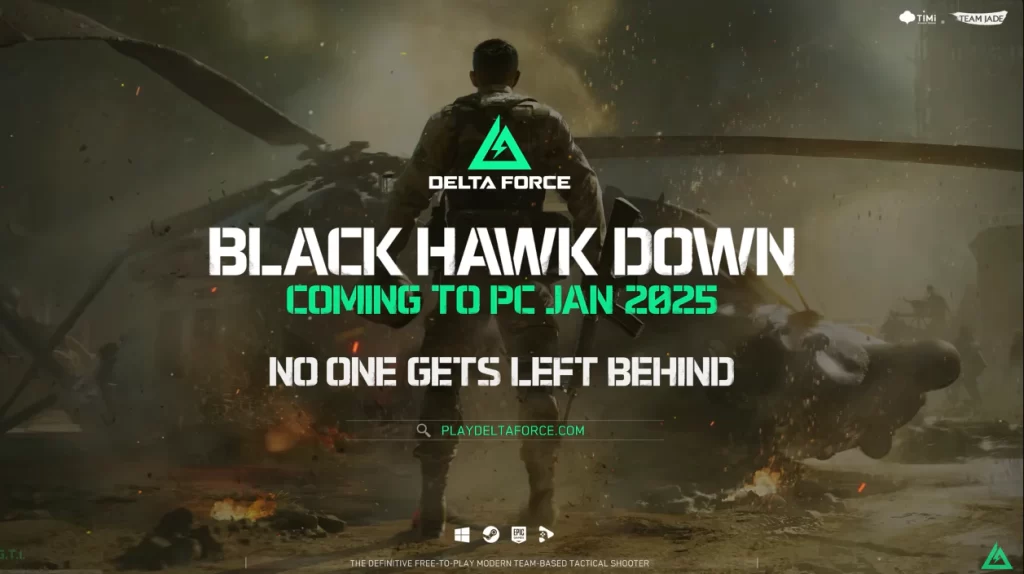
Black Hawk Down offers three distinct gameplay modes, each providing unique combat experiences. The free-to-play co-op mode recreates the harrowing events depicted in the film, allowing players to experience the intensity of urban combat in Mogadishu. The Warfare mode expands the scale dramatically with 32v32 battles spanning multiple combat domains including land, sea, and air operations. For those seeking a different challenge, the Operations mode delivers a PvPvE extraction experience focused on tactical engagement and strategic withdrawal.Technical Excellence
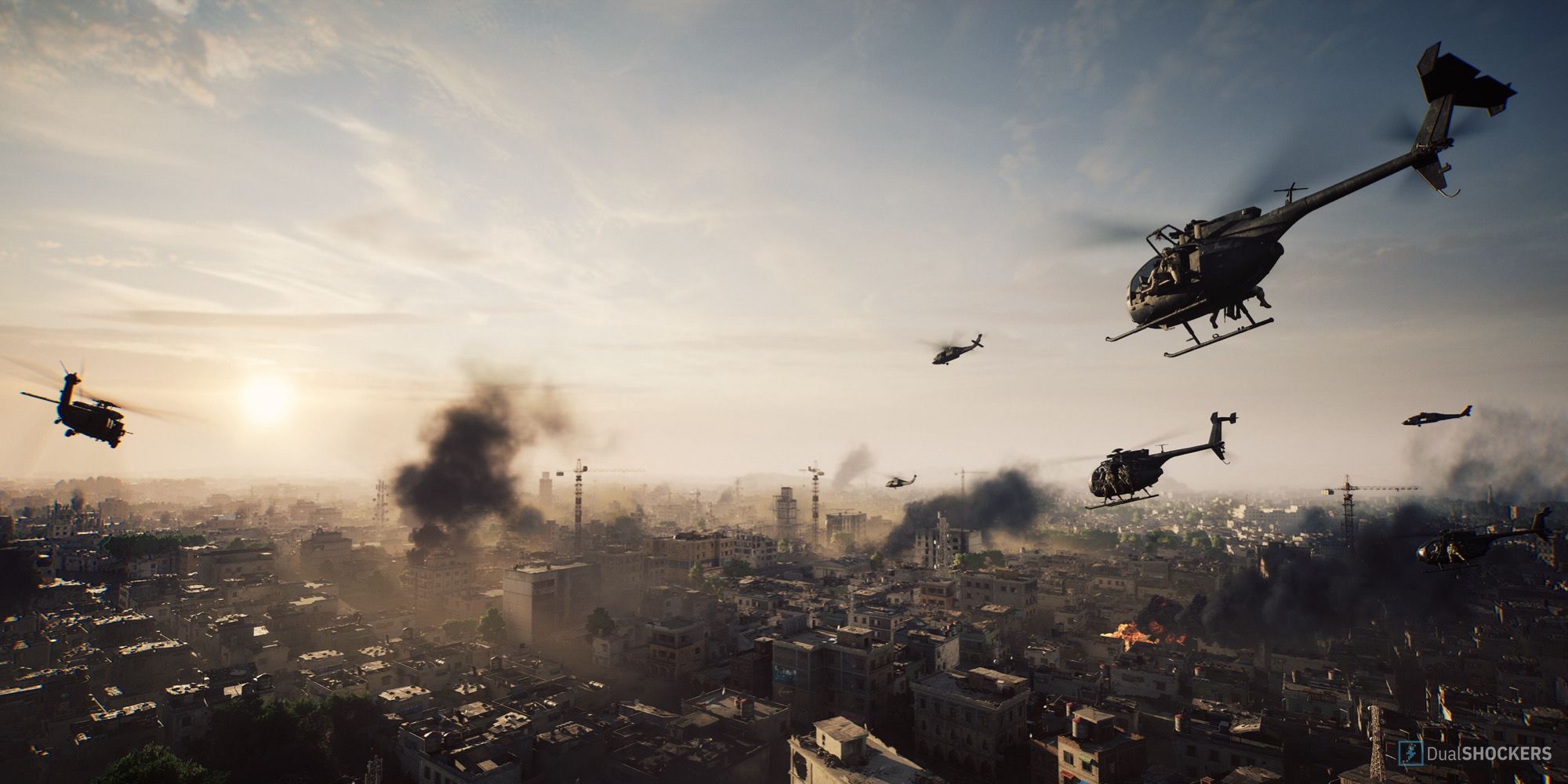
Powered by Unreal Engine 5, the game delivers exceptional visual fidelity that enhances the immersive quality of combat scenarios. The technical prowess is particularly evident in the recreation of Mogadishu, Somalia, where environmental details contribute significantly to the cinematic experience. The attention to lighting, texture, and atmospheric effects transforms what could be a standard shooter into a visceral combat simulation.Community Engagement
The game maintains player interest through limited-time events such as the Black Hawk Down Challenge, which features progressive difficulty levels and rewards top-performing teams. This approach to community engagement extends the longevity of the game beyond its core gameplay loops, encouraging tactical cooperation and skill development among players.Tactical Depth
What distinguishes Delta Force: Black Hawk Down from other military shooters is its emphasis on tactical decision-making over run-and-gun gameplay. The combat scenarios demand careful consideration of positioning, team coordination, and resource management. As we will explore in subsequent chapters, these tactical elements become increasingly crucial as missions grow more complex and opposition intensifies. Our examination of Delta Force: Black Hawk Down will progress from this foundational understanding to specific combat scenarios, highlighting both the challenges and strategies that define the experience. The following chapters will delve into the chaotic nature of initial engagements, tactical failures that can occur during operations, defensive positioning techniques, and the brutal realities of urban warfare that the game so effectively portrays.First Contact: Chaotic Combat Beginnings
The Disorienting Reality of Initial Engagement
Our first encounters in Delta Force: Black Hawk Down immediately shatter any preconceived notions of orderly military operations. The game masterfully recreates the confusion and disorientation that characterizes real combat situations, particularly in unfamiliar urban environments like Mogadishu. Players entering these scenarios often experience a sensory overload that mirrors the actual psychological state of soldiers entering hostile territory for the first time.Communication Breakdown Under Pressure
One of the most striking aspects of initial combat in Black Hawk Down is the rapid deterioration of clear communication. The game's audio design amplifies this effect, with overlapping radio chatter, environmental sounds, and weapons fire creating a cacophony that makes coordination extremely difficult. This article recognizes how this deliberate design choice serves the narrative authenticity while simultaneously increasing the gameplay challenge.Friendly Fire Incidents
The chaotic nature of early engagements frequently results in devastating friendly fire incidents. In the confined spaces of Mogadishu's urban landscape, split-second target identification becomes problematic, and the consequences are often fatal. We observe that the game does not shy away from this uncomfortable reality of combat, instead incorporating it as both a mechanical challenge and a narrative element that underscores the fog of war.Spatial Disorientation and Environmental Hazards
Beyond enemy combatants, the environment itself becomes an adversary during initial contacts. Players must contend with unfamiliar architecture, unexpected obstacles, and hazardous terrain features. Something as mundane as a stairwell can become lethal when navigated under duress, as squad members frequently discover. The game's level design deliberately incorporates these environmental challenges to enhance the sense of disorientation.The Learning Curve of Combat Mechanics
First engagements in Black Hawk Down serve as brutal tutorials in the game's combat systems. The unforgiving nature of damage modeling means that players often experience multiple rapid deaths before adapting to the required tactical approach. This steep learning curve mirrors the reality faced by actual soldiers who must quickly adapt to combat conditions or face dire consequences.Team Dynamics Under Fire
The initial chaos of combat reveals the true nature of team dynamics. Pre-planned strategies frequently collapse under pressure, forcing players to adapt on the fly and develop new communication protocols. We find that successful teams quickly establish clear communication patterns and role assignments that cut through the confusion, while unsuccessful teams descend further into disorganization.The Psychological Impact of First Contact
Delta Force: Black Hawk Down excels at conveying the psychological impact of initial combat experiences. The game creates genuine moments of panic, confusion, and stress that affect decision-making and performance. This psychological dimension adds significant depth to what might otherwise be a straightforward tactical shooter, creating an experience that resonates on multiple levels.Adapting to the Chaos
As players progress through these initial engagements, adaptation becomes the key to survival. The game rewards those who can quickly process information, prioritize threats, and maintain situational awareness despite overwhelming stimuli. This adaptation process forms the foundation for the more complex tactical challenges explored in subsequent chapters of this article.Tactical Failures and Friendly Fire
The Harsh Reality of Combat Confusion
In our continued exploration of Delta Force: Black Hawk Down, we must confront one of the most sobering aspects of modern warfare simulation: tactical failures and the devastating consequences of friendly fire incidents. The game's unflinching portrayal of these operational breakdowns provides players with valuable insights into the fog of war that no training manual can adequately convey. The chaotic urban environment of Mogadishu serves as the perfect backdrop for these tactical complications, where split-second decisions frequently result in catastrophic outcomes.Communication Breakdown as a Primary Cause
Our analysis reveals that communication breakdown stands as the most common precursor to tactical failures within the game. In high-stress scenarios, particularly when multiple team members encounter enemies simultaneously, communication protocols often collapse. Players frequently resort to fragmented callouts or, worse, complete radio silence during critical moments. This article emphasizes how the game's audio design intentionally compounds this challenge, with overlapping radio chatter and environmental noise creating a realistic communication barrier that must be overcome through discipline and clear protocols.Target Identification Failures
The urban landscape of Mogadishu presents a particularly challenging environment for target identification. The game masterfully recreates the difficulty of distinguishing between combatants and civilians in crowded urban settings. We observe that many friendly fire incidents stem directly from hasty target acquisition without proper identification. The consequences extend beyond the immediate tactical situation, affecting team cohesion and mission parameters that require civilian protection. This realistic portrayal forces players to develop restraint and verification procedures that mirror actual military protocols.Spatial Awareness Challenges
Delta Force: Black Hawk Down implements complex multi-level environments that frequently disorient players during intense firefights. Our experience demonstrates how easily team members can lose track of allied positions when navigating through buildings with multiple entry points and vertical elements. The game's level design deliberately creates these spatial awareness challenges, with narrow corridors, multiple stairwells, and interconnected rooms that become lethal confusion zones during firefights.Panic Responses and Their Consequences
The psychological element of combat receives particular attention in the game's design. When players encounter unexpected resistance or ambush situations, panic responses frequently trigger a cascade of tactical failures. We note how the game's damage modeling punishes these moments of panic, with wild suppressive fire often resulting in friendly casualties or civilian deaths. This psychological dimension adds significant depth to the tactical experience, requiring players to develop emotional discipline alongside technical skills.Procedural Failures in Room Clearing
Room clearing operations represent some of the most dangerous tactical scenarios in urban combat. The game accurately portrays how procedural failures during these operations frequently result in catastrophic outcomes. Our analysis shows that rushed entries, improper angles of approach, and failure to communicate intentions before breaching all contribute to friendly fire incidents. The game demands methodical execution of clearing procedures, with proper sequencing and communication being essential to success.Equipment and Loadout Considerations
Tactical failures often stem from inappropriate equipment selection for specific mission parameters. The game provides players with various weapon systems and tactical gear, each with distinct operational characteristics. We find that mismatched loadouts frequently contribute to friendly fire incidents, particularly when team members employ weapons with high penetration values in confined spaces or when using area-effect munitions without proper coordination.Learning from Tactical Failures
What distinguishes Delta Force: Black Hawk Down from many military shooters is its educational value regarding tactical failures. The game creates a learning environment where mistakes have meaningful consequences, encouraging players to conduct informal after-action reviews. Our experience demonstrates that teams who systematically analyze their failures and implement corrective measures show dramatic improvement in operational effectiveness and a significant reduction in friendly fire incidents. As we move forward to examine defensive positioning under heavy fire in the next chapter, these lessons in tactical failure provide essential context for understanding the importance of disciplined defensive operations in high-threat environments.Defending Positions Under Heavy Fire
The Strategic Imperative of Defensive Operations
In our continuing analysis of Delta Force: Black Hawk Down, we now turn to one of the most challenging aspects of modern combat simulation: defensive operations under sustained enemy pressure. The game's representation of defensive scenarios offers players a profound understanding of the psychological and tactical demands placed on soldiers tasked with holding critical positions against overwhelming odds. Unlike offensive operations where momentum provides psychological advantage, defensive positions require exceptional discipline and resource management to maintain effectiveness over extended periods.Terrain Assessment and Position Selection
The foundation of successful defensive operations in Black Hawk Down begins with critical terrain assessment. Our experience demonstrates that effective defensive positions must balance multiple competing factors including fields of fire, cover quality, withdrawal routes, and communication lines. The urban environment of Mogadishu presents particular challenges in this regard, as seemingly advantageous positions often contain hidden vulnerabilities that become apparent only under pressure. This article emphasizes how the game rewards methodical position selection over hasty deployment, with pre-engagement planning paying significant dividends during extended firefights.Interlocking Fields of Fire
One of the most sophisticated aspects of defensive gameplay in Black Hawk Down is the implementation of interlocking fields of fire. Successful teams establish complementary firing positions that eliminate dead zones and create overlapping coverage of approach routes. We find that this defensive principle, when properly executed, creates a force multiplication effect that allows smaller units to effectively counter numerically superior enemy forces. The game mechanics accurately reflect how properly positioned defenders can channel enemy movements into predetermined kill zones, maximizing combat effectiveness.Communication Discipline Under Pressure
Defensive operations in Black Hawk Down place extraordinary demands on team communication. Unlike the chaotic nature of initial engagements discussed in previous chapters, effective defensive communication requires structured protocols that remain functional under extreme pressure. Our analysis reveals that successful defensive teams establish clear terminology for position designations, enemy sightings, and ammunition status. The game's audio design intentionally tests this communication discipline, with increasing environmental noise and radio chatter creating progressive communication challenges as defensive scenarios intensify.Resource Management and Conservation
The extended nature of defensive operations in Black Hawk Down introduces resource management as a critical gameplay element. Ammunition conservation becomes paramount as supply lines are frequently compromised during sustained engagements. We observe that inexperienced players often exhaust their combat resources during initial contact, leaving them vulnerable during subsequent waves of enemy forces. The game teaches players to develop fire discipline, employing controlled bursts and prioritizing high-value targets rather than engaging in indiscriminate suppressive fire.Psychological Endurance and Fatigue Modeling
Perhaps the most nuanced aspect of defensive gameplay in Black Hawk Down is its representation of psychological endurance. The game implements subtle fatigue modeling that affects aim stability and reaction time during prolonged defensive operations. This article notes how the accumulation of stress factors—including teammate casualties, ammunition depletion, and position compromise—creates a psychological pressure that mirrors the actual experience of defenders under siege. Managing this psychological dimension becomes as important as tactical execution in determining mission outcomes.Adapting to Position Compromise
The dynamic nature of combat in Black Hawk Down ensures that defensive positions will eventually become compromised. Our experience demonstrates that successful teams develop contingency plans for position adjustment or complete relocation when defensive integrity is breached. The game punishes rigid defensive thinking, instead rewarding adaptive repositioning that maintains defensive cohesion while responding to evolving threat vectors. This adaptation requirement creates a dynamic defensive experience that avoids the static nature often associated with defensive gameplay.The Tactical Value of Limited Counterattacks
Advanced defensive play in Black Hawk Down incorporates limited counterattacks as a means of disrupting enemy momentum. We find that properly timed and coordinated aggressive actions can reset the psychological dynamic of siege situations, creating breathing room for defenders to reorganize and replenish. The game mechanics support this approach through level design that provides concealed movement routes for flanking maneuvers, allowing defenders to temporarily seize the initiative before returning to defensive postures. As we prepare to examine the brutal realities of urban warfare in our final chapter, these defensive principles provide essential context for understanding the comprehensive combat simulation that Delta Force: Black Hawk Down delivers to players seeking authentic military engagement scenarios.The Brutal Reality of Urban Warfare
The Unforgiving Nature of City Combat
In our comprehensive examination of Delta Force: Black Hawk Down, we now confront the most harrowing aspect of modern military operations: urban warfare. The game's recreation of Mogadishu's dense urban environment serves as the ultimate testing ground for tactical proficiency, where conventional military advantages are neutralized and combat occurs at devastatingly close quarters. The claustrophobic streets, multi-story buildings, and maze-like alleyways transform every movement into a potential ambush scenario, creating a combat environment where situational awareness becomes as crucial as marksmanship.Vertical Threat Dimensions
What distinguishes urban combat in Black Hawk Down from other tactical scenarios is the addition of vertical threat dimensions. Unlike open terrain engagements, urban operations require constant awareness of threats from rooftops, windows, and elevated positions. Our analysis reveals that successful teams develop specific protocols for "vertical security," with dedicated team members responsible for monitoring higher elevations during movement. The game's level design masterfully implements this vertical dimension, with enemy AI utilizing elevated positions to devastating effect when players neglect upward security.The Civilian Factor
Perhaps the most morally complex aspect of urban warfare in Black Hawk Down is the integration of civilian presence within combat zones. The game does not shy away from this uncomfortable reality, instead placing non-combatants throughout mission areas as both tactical and ethical complications. We observe that the presence of civilians creates significant tactical restraints, requiring positive identification before engagement and limiting the use of area-effect weapons. This civilian factor transforms what might otherwise be straightforward combat scenarios into complex ethical dilemmas that mirror the actual challenges faced by modern military forces.Infrastructure as Tactical Elements
The urban infrastructure in Black Hawk Down functions as more than mere scenery—it becomes an active participant in tactical decision-making. Destroyed vehicles serve as improvised cover, collapsed walls create unexpected firing lanes, and damaged buildings offer both opportunities and hazards for advancing forces. This article emphasizes how the game's environmental design creates a dynamic battlefield that evolves throughout extended engagements, with progressive destruction altering tactical options and forcing continuous adaptation from players.The Psychological Toll of Urban Combat
Delta Force: Black Hawk Down excels at conveying the psychological burden of urban warfare through subtle but effective design choices. The constant tension of potential ambush, the disorienting effect of echoing gunfire, and the stress of civilian presence combine to create a psychological pressure that affects player performance. We find that this psychological dimension manifests in hesitation during critical moments, excessive ammunition expenditure, and communication breakdowns that mirror the documented experiences of actual combat veterans in urban environments.Limited Visibility and Sensory Overload
The game's representation of limited visibility conditions in urban settings creates some of the most intense combat scenarios in modern military simulation. Smoke-filled corridors, dust from structural damage, and the transition between bright exteriors and dark interiors all contribute to visibility challenges that complicate target identification. Our experience demonstrates that these visibility limitations, combined with the cacophony of urban combat sounds, create a sensory overload that frequently leads to fatal hesitation or tragic identification errors.The Tactical Necessity of Building Clearing
Building clearing operations represent the most dangerous aspect of urban warfare in Black Hawk Down. The game's interior environments are meticulously designed to highlight the extreme vulnerability of entry teams and the overwhelming advantage held by defenders. We observe that successful building clearing requires exceptional team coordination, with precise role assignments and methodical room-by-room progression. The game punishes rushed clearing attempts with devastating ambushes and crossfire situations that accurately reflect the historical casualties suffered during the actual operation in Mogadishu.Adaptation of Conventional Tactics
Throughout our analysis of Delta Force: Black Hawk Down, we have observed how the urban environment necessitates fundamental adaptations to conventional military tactics. Standard formations become liability in narrow streets, traditional fire and maneuver techniques require modification for vertical threats, and communication protocols must evolve to address the unique challenges of urban acoustics. The game serves as an educational platform for understanding these tactical adaptations, providing players with insights into the evolution of military doctrine for urban operations.The Moral Dimension of Urban Warfare
In our final assessment, what truly distinguishes Delta Force: Black Hawk Down's portrayal of urban warfare is its unflinching examination of the moral complexities involved. Beyond the tactical and technical challenges, the game confronts players with the human cost of urban combat—civilian casualties, destroyed infrastructure, and the psychological trauma inflicted on both combatants and non-combatants. This moral dimension elevates the game beyond mere entertainment, transforming it into a thoughtful examination of the profound human consequences that accompany military operations in populated areas. Through our comprehensive analysis of Delta Force: Black Hawk Down across these five chapters, this article has attempted to convey both the technical excellence and the profound insights the game offers into modern military operations. From the chaotic nature of initial engagements to the brutal realities of urban warfare, the game stands as one of the most authentic and educational military simulations available to civilian players.Top-Up Your Delta Force coins at LootBar.gg
Looking to elevate your Delta Force gaming experience? Topping up Delta Force coins on lootbar.gg is the ultimate way to gain a competitive edge. With instant delivery and secure transactions, you can focus on what matters most—dominating the battlefield with premium weapons, character upgrades, and exclusive content that regular gameplay simply can't provide fast enough. Delta Force top upservices through lootbar.gg ensure you're never caught unprepared when the action heats up. The lootbar game trading platform stands out with its user-friendly interface and competitive pricing for Delta Force currency. Unlike other marketplaces, lootbar.gg prioritizes customer satisfaction with 24/7 support specifically trained to assist with Delta Force transactions. Whether you're a casual player looking to enhance your experience or a competitive gamer aiming for the leaderboards, the platform's streamlined process makes Delta Force top up quick and hassle-free, letting you get back to the action in record time. Security concerns? Rest easy knowing that lootbar.gg employs advanced encryption technologies to protect your personal and payment information during Delta Force top up transactions. The platform's reputation for reliability has made it the preferred choice for thousands of Delta Force enthusiasts worldwide. With flexible payment options tailored to different regions and currencies, lootbar.gg removes barriers between you and your gaming goals. Don't let limited in-game resources hold you back—power up your Delta Force experience today with the most trusted game trading platform in the community.Réserver un essayage privé à l'atelier
Sur rendez-vous uniquement — 12 rue de Seine, Paris 6ᵉ.