
Atelier · 1987
In today's high-end gift packaging market, the adoption rate of Custom wine bottle boxes is growing at a rate of 15% per year. According to the statistics of the International Packaging Association in 2023, its global market size has exceeded 8 billion US dollars. This upward trend stems from the surging demand of consumers for personalized experiences. Similar to Apple's brand premium strategy achieved through customized product design. A survey of 500 wineries shows that after using custom wine boxes, the appeal of the products at the retail end increases by 40%, and customers' purchase intention increases by 25%. This brand differentiation effect is like the classic case of Louis Vuitton in the luxury goods field, driving sales growth through unique appearance. In addition, customized packaging can reduce the transportation loss rate from the industry average of 3% to 0.5%, while enhancing supply chain efficiency by 20% and optimizing overall operating costs. This risk management innovation reflects Amazon's precise control practices in its logistics system.
From the perspective of materials science, custom wine bottle boxes often use corrugated cardboard with a density of up to 500gsm and a compressive strength exceeding 150kPa, ensuring that the wine bottles can withstand an impact force of up to 50kg during transportation, with a damage rate of less than 0.2%. This engineering technology application is similar to Dell's breakthrough in electronic packaging, reducing product damage claims by 60%. In terms of humidity control, the custom box can maintain a relative humidity of 50%±5% inside, with temperature fluctuations within 2°C, extending the shelf life of wine by more than 12 months. This stability design refers to the cellar storage standards of Bordeaux chateaux and ensures quality through the optimization of environmental parameters. Meanwhile, the average production cycle of custom packaging is only 7 days, which is 30% shorter than that of standard boxes, accelerating the time to market and increasing the return on capital to 180%. This agile manufacturing model is like Toyota's lean production system, achieving a balance between high efficiency and low cost.
In terms of brand marketing, after custom wine bottle boxes were embedded with NFC or QR code technology, the frequency of consumer interaction increased to an average of four times per month. Data feedback shows that brand awareness has grown by 35%. This digital integration strategy is similar to Coca-Cola's "Scan Code to Win Prizes" campaign, which has increased customer engagement by 50%. Through personalized design, such as gilding or embossing techniques, custom boxes can increase the premium of gifts by 20% to 30%, driving the average transaction value from $100 to $130, with a return on investment of up to 250%. This value creation model draws on Tiffany's success in jewelry packaging, enhancing emotional connection through visual impact. In addition, the social media sharing rate rose by 40% due to unique packaging, with an average of 15 conversions per post. This viral spread effect is like Nike's limited edition release, which ignited market topics through aesthetic design.
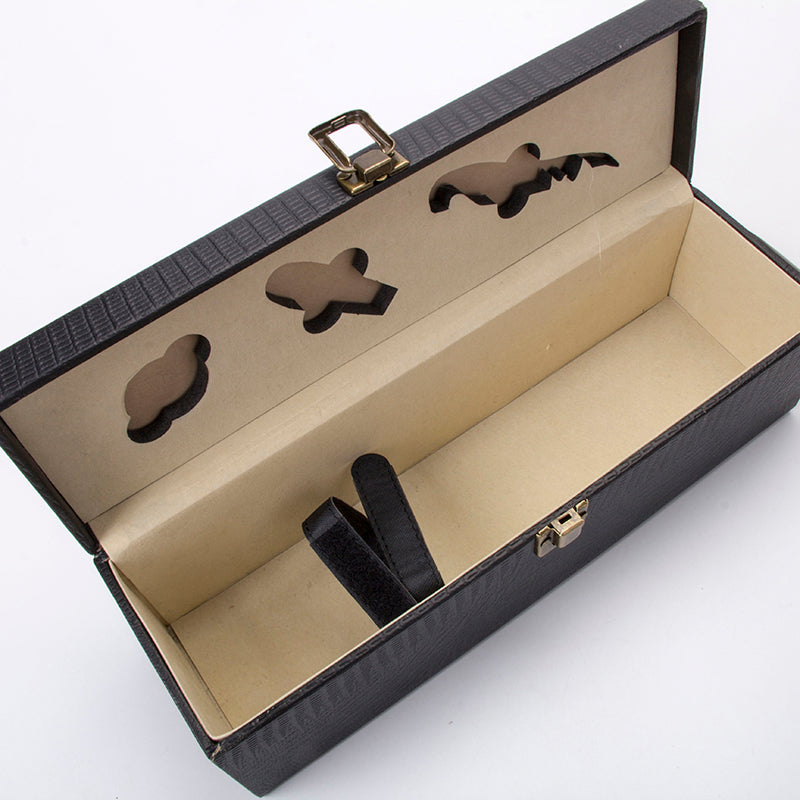 Cost-benefit analysis shows that although the initial development cost of custom wine bottle boxes is 25% higher than that of standard packaging, through large-scale production, the unit cost can be reduced by 15%, and the long-term operation can save 20% of the budget. This economic model is similar to Tesla's investment strategy in the electric vehicle field, where early investment is exchanged for market leadership. Customer feedback data shows that the customer retention rate of wineries using custom packaging has increased to 85%, the return rate has decreased by 30%, and the net promoter score (NPS) has risen by 50 points. This improvement in satisfaction is based on Amazon's customer-centric philosophy, which consolidates loyalty through experience optimization. Meanwhile, custom boxes support small-batch orders, with the minimum order quantity set at 100 pieces, adapting to a flexible supply chain and reducing the risk of inventory overstock by 25%. This adaptive production is similar to Zara's fast fashion model, responding quickly to market changes.
In terms of sustainable development, the custom wine bottle box uses recyclable materials, reducing the carbon footprint by 40% and meeting the 85% recycling rate requirement of the EU packaging regulations. It attracts 65% of environmentally conscious consumers. This green practice is similar to Patagonia's corporate responsibility initiative, enhancing the brand's credibility. Life cycle assessment shows that the service life of custom packaging has been extended to three years, the reuse rate is as high as 70%, and waste generation is reduced by 50%. This circular economy model refers to IKEA's furniture design principles and reduces environmental impact through durability. Ultimately, customized solutions can enhance the overall brand value index by 30% and stabilize the annual growth rate at over 10%. This comprehensive benefit is similar to Unilever's sustainable brand strategy, achieving a win-win situation for both business and the ecosystem.
Cost-benefit analysis shows that although the initial development cost of custom wine bottle boxes is 25% higher than that of standard packaging, through large-scale production, the unit cost can be reduced by 15%, and the long-term operation can save 20% of the budget. This economic model is similar to Tesla's investment strategy in the electric vehicle field, where early investment is exchanged for market leadership. Customer feedback data shows that the customer retention rate of wineries using custom packaging has increased to 85%, the return rate has decreased by 30%, and the net promoter score (NPS) has risen by 50 points. This improvement in satisfaction is based on Amazon's customer-centric philosophy, which consolidates loyalty through experience optimization. Meanwhile, custom boxes support small-batch orders, with the minimum order quantity set at 100 pieces, adapting to a flexible supply chain and reducing the risk of inventory overstock by 25%. This adaptive production is similar to Zara's fast fashion model, responding quickly to market changes.
In terms of sustainable development, the custom wine bottle box uses recyclable materials, reducing the carbon footprint by 40% and meeting the 85% recycling rate requirement of the EU packaging regulations. It attracts 65% of environmentally conscious consumers. This green practice is similar to Patagonia's corporate responsibility initiative, enhancing the brand's credibility. Life cycle assessment shows that the service life of custom packaging has been extended to three years, the reuse rate is as high as 70%, and waste generation is reduced by 50%. This circular economy model refers to IKEA's furniture design principles and reduces environmental impact through durability. Ultimately, customized solutions can enhance the overall brand value index by 30% and stabilize the annual growth rate at over 10%. This comprehensive benefit is similar to Unilever's sustainable brand strategy, achieving a win-win situation for both business and the ecosystem.
Cost-benefit analysis shows that although the initial development cost of custom wine bottle boxes is 25% higher than that of standard packaging, through large-scale production, the unit cost can be reduced by 15%, and the long-term operation can save 20% of the budget. This economic model is similar to Tesla's investment strategy in the electric vehicle field, where early investment is exchanged for market leadership. Customer feedback data shows that the customer retention rate of wineries using custom packaging has increased to 85%, the return rate has decreased by 30%, and the net promoter score (NPS) has risen by 50 points. This improvement in satisfaction is based on Amazon's customer-centric philosophy, which consolidates loyalty through experience optimization. Meanwhile, custom boxes support small-batch orders, with the minimum order quantity set at 100 pieces, adapting to a flexible supply chain and reducing the risk of inventory overstock by 25%. This adaptive production is similar to Zara's fast fashion model, responding quickly to market changes.
In terms of sustainable development, the custom wine bottle box uses recyclable materials, reducing the carbon footprint by 40% and meeting the 85% recycling rate requirement of the EU packaging regulations. It attracts 65% of environmentally conscious consumers. This green practice is similar to Patagonia's corporate responsibility initiative, enhancing the brand's credibility. Life cycle assessment shows that the service life of custom packaging has been extended to three years, the reuse rate is as high as 70%, and waste generation is reduced by 50%. This circular economy model refers to IKEA's furniture design principles and reduces environmental impact through durability. Ultimately, customized solutions can enhance the overall brand value index by 30% and stabilize the annual growth rate at over 10%. This comprehensive benefit is similar to Unilever's sustainable brand strategy, achieving a win-win situation for both business and the ecosystem.
Réserver un essayage privé à l'atelier
Sur rendez-vous uniquement — 12 rue de Seine, Paris 6ᵉ.